






India’s largest retailer, Reliance, is set to acquire numerous small grocery and non-food brands as part of its ambition to establish a $6.5 billion consumer goods business to compete with international giants like Unilever, according to two sources familiar with the initiative.
Under the leadership of billionaire Mukesh Ambani, Reliance aims to develop a portfolio of 50 to 60 grocery, household, and personal care brands within six months. The company is also hiring a large team of distributors to deliver these products to both small local stores and larger retail chains nationwide. This consumer goods initiative, branded as Reliance Retail Consumer Brands, will complement Ambani’s extensive network of over 2,000 grocery stores and the expanding “JioMart” e-commerce platform, all within India’s nearly $900 billion retail market, one of the largest globally.
Currently, Reliance is in advanced discussions to acquire approximately 30 popular niche local brands, either fully or through joint ventures. While the total investment for these acquisitions remains unspecified, the goal is to reach annual sales of 500 billion rupees ($6.5 billion) within five years.
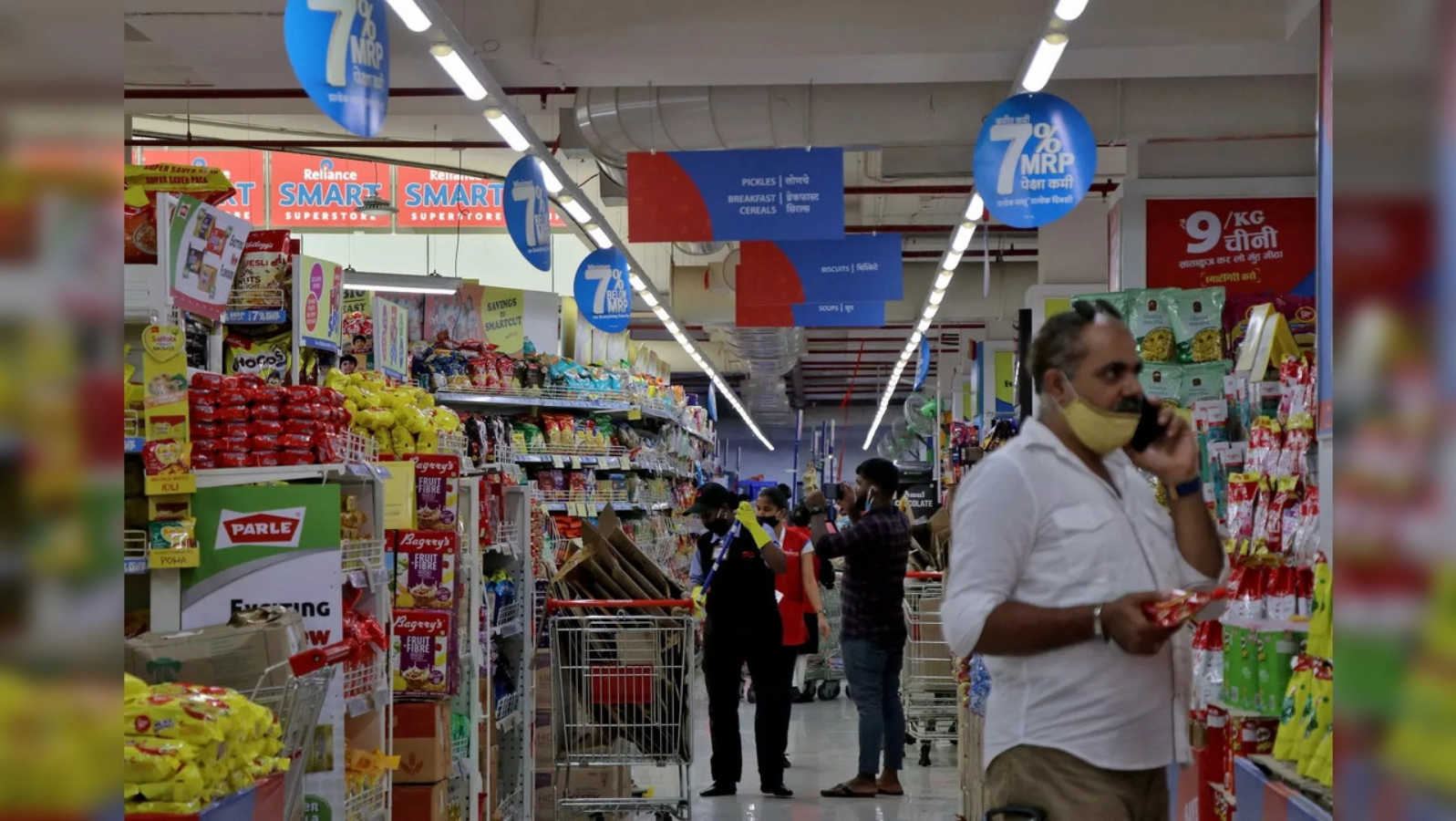
“This strategy positions Reliance as a house of brands, marking an inorganic growth approach,” noted one source.
With this initiative, Reliance aims to rival established consumer companies such as Nestlé, Unilever, PepsiCo, and Coca-Cola, all of which have a long-standing presence in India. However, competing against these well-entrenched foreign firms, which have their own manufacturing facilities and extensive distribution networks, is a formidable challenge. For instance, Unilever’s India division reported sales of $6.5 billion for the fiscal year ending March 2022, claiming that 90% of Indian households use at least one of its products.
“There is significant brand equity associated with these established names, making competition challenging,” said Alok Shah, a consumer analyst at Ambit Capital. “If Reliance opts for an inorganic strategy, it could scale up rapidly, but it must ensure competitive pricing and distribution to effectively compete with larger rivals.”
### Hiring and Product Categories
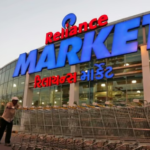
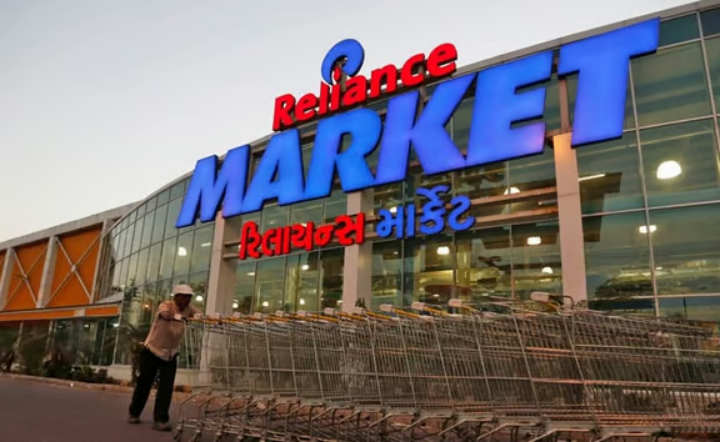
As a retail leader, Reliance primarily generates consumer goods revenue by selling products from various competitors in its supermarkets and local outlet partners. Although it has launched a few private labels—contracting manufacturers to produce cola drinks and noodle packs—this segment has only achieved annual sales of 35 billion rupees ($450 million).
Foreign companies have expressed concerns over Reliance’s supermarket strategy, which has seen its private labels competing for shelf space with international brands, as reported last year.
Reliance’s consumer goods initiative is focused on securing deals with popular Indian brands. Among those in discussions for acquisition or potential joint ventures is Sosyo, a nearly century-old soft drink brand from the Gujarat-based Hajoori company, known for its flavored beverages. “We don’t comment on speculations,” stated the company’s director, Aliasgar Abbas Hajoori.
Recent updates on LinkedIn show that Reliance is intensifying its efforts to grow its consumer business. In recent weeks, the company has recruited senior executives from Danone and Kellogg Co to oversee quality control and sales.
A LinkedIn job posting indicated that Reliance is focusing on staples, personal care products, beverages, and chocolates for initial launches and is actively hiring mid-level sales managers in over 100 cities and towns. These executives will be responsible for appointing distributors and managing merchant relationships.